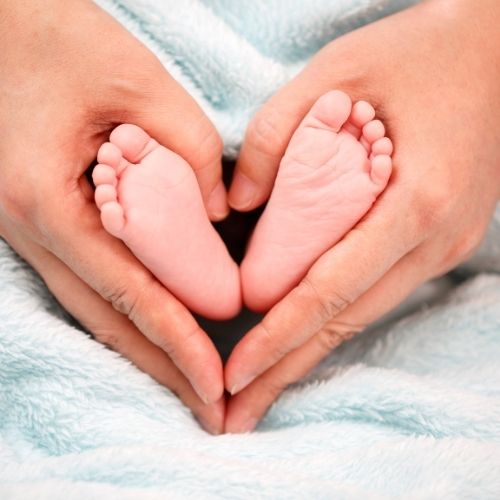
Give Your Newborn the Healthiest Start with Early Screening
Newborn Screening is a preventive health measure that detects genetic, metabolic, hormonal, and functional conditions in newborns shortly after birth. Early detection enables timely intervention, helping prevent severe complications, developmental delays, or even death. This test gives your baby the healthiest possible start in life.
Conditions Detected by Newborn Screening
Congenital Hypothyroidism

Phenylketonuria (PKU)

Cystic Fibrosis

Sickle Cell Disease
Screening Solutions


Start Strong with Early Genetic Insights
Timely Medical Action
Detect and treat health issues early—before symptoms even appear.
Healthier Development
Prevent long-term complications with early diagnosis and appropriate care.
Peace of Mind
Know your baby’s health risks from the very beginning.
Lifelong Impact
A small step at birth that can ensure a lifetime of wellness.
How It Works
One Simple Test for a Healthier Tomorrow

Sample Collection
A small heel-prick blood sample is collected within 24–48 hours of birth.
Lab Processing
Sample is tested in our state-of-the-art lab for a wide range of conditions.

Results & Next Steps
Get a detailed report and guidance from specialists for any further care.
Why Choose FSG for Newborn Screening
Comprehensive Coverage
We screen for an extended panel of over 50+ conditions.

Advanced Technology
We use next-generation techniques for high-accuracy detection.

Fast
Turnaround
Fast Turnaround
Get reliable results within a few business days.

Trusted Experts
Guidance by pediatric geneticists and certified lab professionals.
Frequently Asked
Questions!
We’re here to help. Explore answers or reach out to our team directly.
What is Newborn Screening?
Newborn Screening is a simple blood test done shortly after birth to check for rare genetic, metabolic, and hormonal disorders that may not show symptoms immediately but can lead to serious health issues if left untreated.
Why is Newborn Screening important?
Early detection through newborn screening allows for timely treatment or intervention, preventing complications like developmental delays, physical disabilities, or life-threatening conditions.
How is the screening performed?
A small blood sample is collected from the baby’s heel (heel prick) within 24–72 hours after birth. The sample is then sent to a laboratory for testing.
What conditions are screened in this test?
The panel typically includes conditions such as phenylketonuria (PKU), congenital hypothyroidism, sickle cell disease, cystic fibrosis, and other inherited metabolic disorders. The exact list may vary depending on the country or healthcare provider.
Is the Newborn Screening test safe for my baby?
Yes, the test is very safe. The heel prick may cause brief discomfort, but it poses no long-term risks and is a crucial step for your baby’s future health.
Services
Innovation Stem Cell & Regenerative Medicine Solutions


